You are currently viewing What Is a Zero Point Clamping System? Working Principle, Accuracy, and CNC Benefits

What Is a Zero Point Clamping System? Working Principle, Accuracy, and CNC Benefits
If you’ve ever spent more time setting up a job than actually cutting metal, you already understand why zero point clamping systems exist.
Modern CNC machining is all about reducing non-cutting time. The faster and more accurately you can mount fixtures, vices, or parts, the more productive your machine becomes. That’s exactly what a zero point clamping system is designed to do.
Let’s break down what a zero point clamping system is, how zero point clamping works, and why it has become a core part of efficient CNC workflows.

What Is a Zero Point Clamping System?
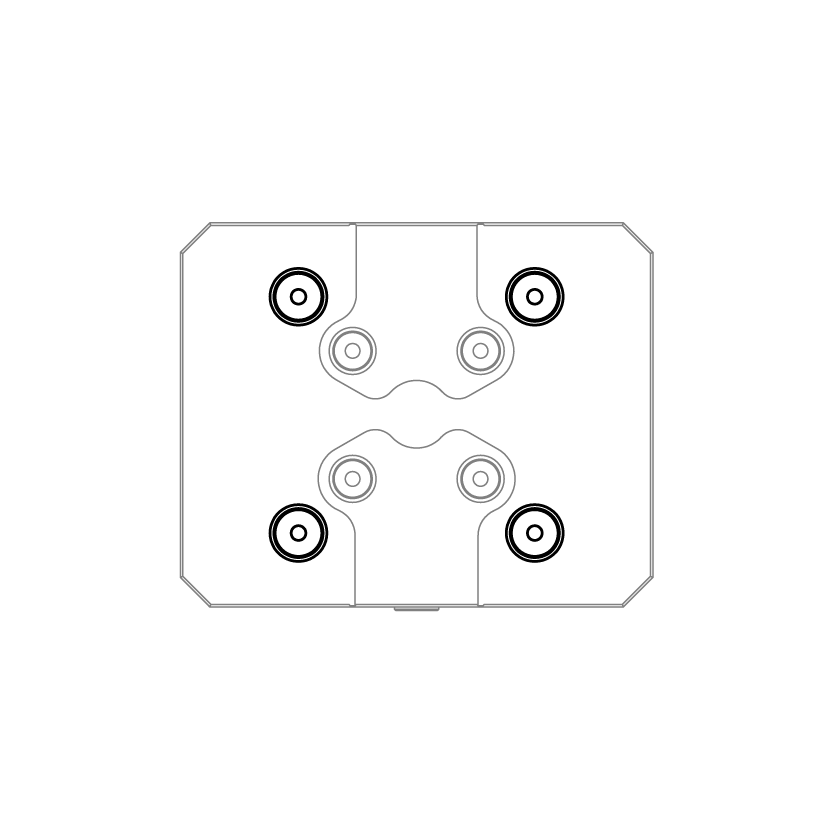
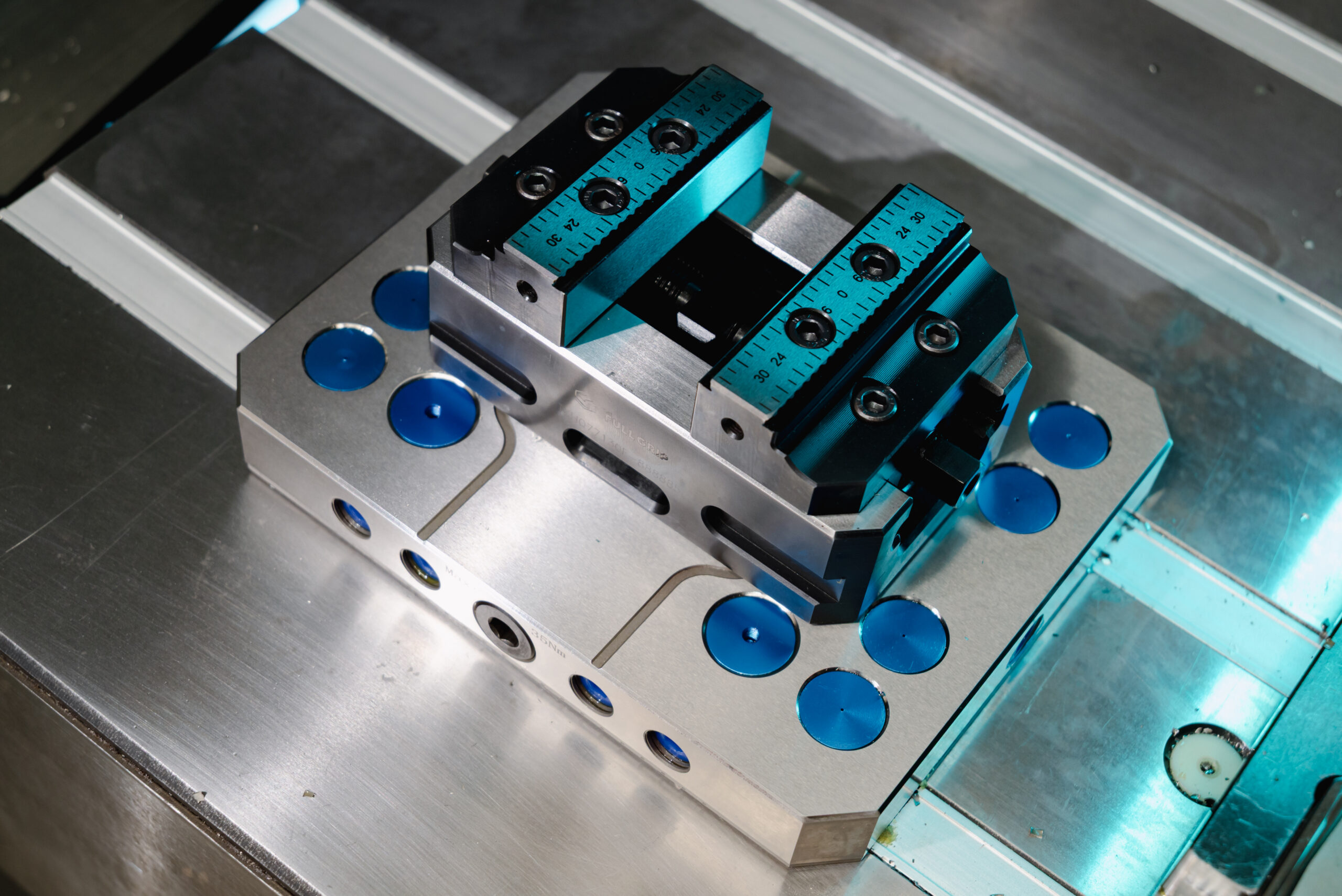
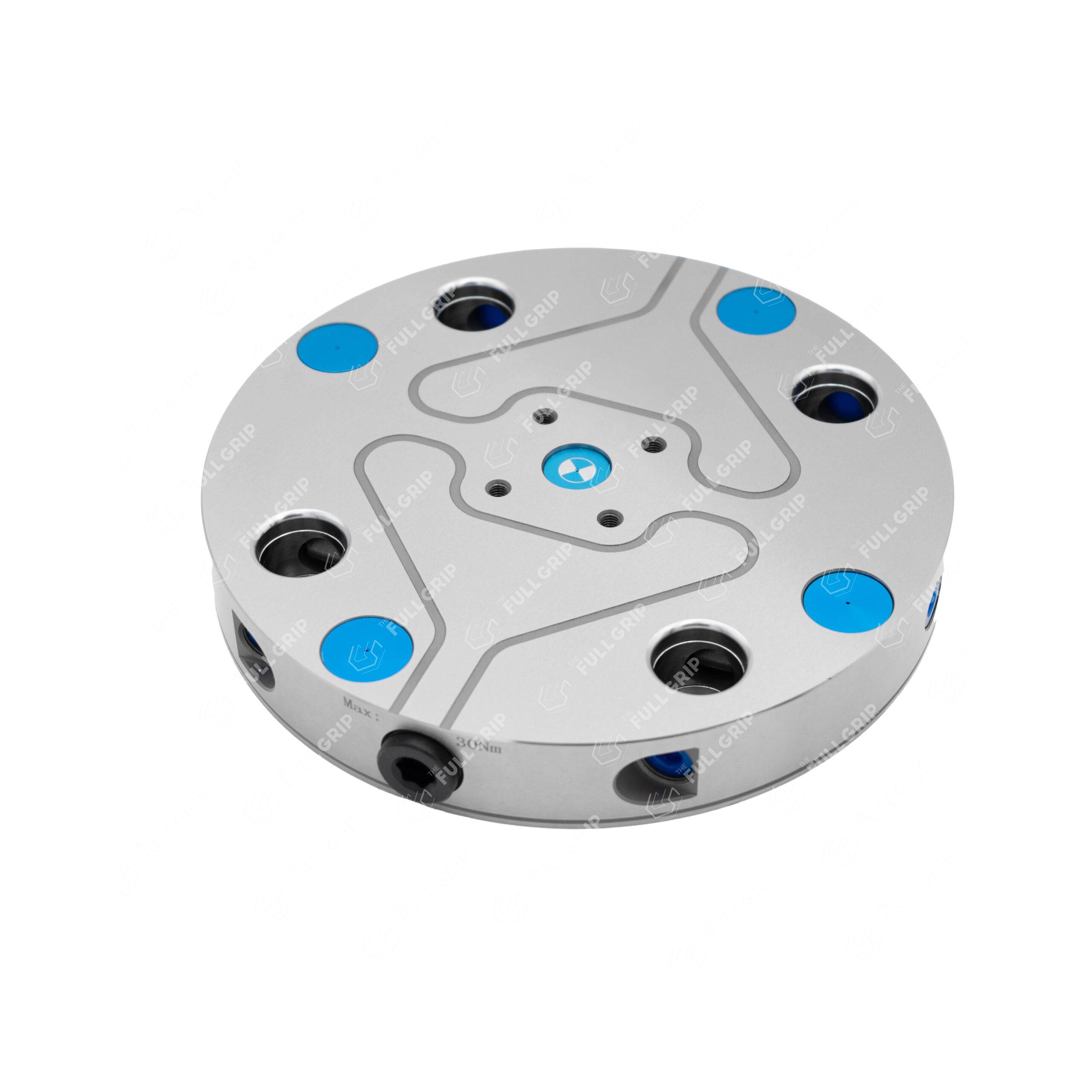
A zero point clamping system is a precision workholding solution that allows fixtures, vices, and parts to be mounted in the exact same position every time. Quickly and repeatably.
Instead of manually aligning and bolting down workholding for each job, machinists use precision reference points built into a base plate and matching pull studs on the fixture. Once engaged, the system locks the fixture in place at a defined “zero point” location.
That means:
  • No indicating every setup
  • No re-measuring offsets
  • No wasted time nudging parts into position
You simply drop the fixture in, lock it, and start machining.

How Does Zero Point Clamping Work?

The working principle of a zero point clamping system is based on precision locating and secure clamping.
Here’s what’s happening mechanically:
  1. Locating: Precision ground reference surfaces and locating tapers guide the pull studs into the exact position.
  2. Clamping: An internal clamping mechanism (mechanical, pneumatic, or hydraulic depending on the system) locks onto the pull studs.
  3. Repeatability: Because the contact surfaces and locating features are hardened and ground, the fixture returns to the same position every time.
At The Full Grip, our zero point systems are designed to achieve repeatability of ≤ 0.005 mm. That level of consistency means you can remove and reinstall a fixture without losing positional accuracy.
This is why zero point systems are often described as the foundation of modular CNC workholding.

Industry Standard Mounting Systems: 52mm and 96mm

Most zero point clamping systems are built around two industry-standard mounting patterns:
52mm System
Compact and ideal for smaller fixtures, vices, and parts. Commonly used in high-density setups where multiple workpieces are run on one table.
96mm System
Larger and designed for heavier workholding or bigger components. This system provides higher clamping force and greater stability for demanding operations.
Because these patterns are widely used, machinists can integrate different vices, plates, and fixtures without redesigning their entire setup.

Key Features and Benefits of Zero Point Clamping Systems

Extreme Repeatability

Precision-ground components and hardened materials allow repeat positioning accuracy down to ≤ 0.005 mm. That’s the kind of consistency needed for high-precision and multi-op machining.

Major Time Savings Per Operation

The biggest benefit isn’t just accuracy, it’s time.

Traditional setups can take 15–45 minutes of indicating and alignment. With a zero point plate, mounting a fixture takes seconds. Multiply that across multiple jobs per day, and the time savings become significant.

More spindle time. Less setup time. Higher throughput.

Durable Materials Built for Repetition

Zero point plates and pull studs are typically made from hardened tool steel. This prevents wear in the locating surfaces and ensures accuracy doesn’t degrade over time, even with repeated clamping cycles.

Modular and Scalable

You can start with a single zero point plate and expand into multi-plate setups, tombstones, or pallet systems. The system grows with your workflow.
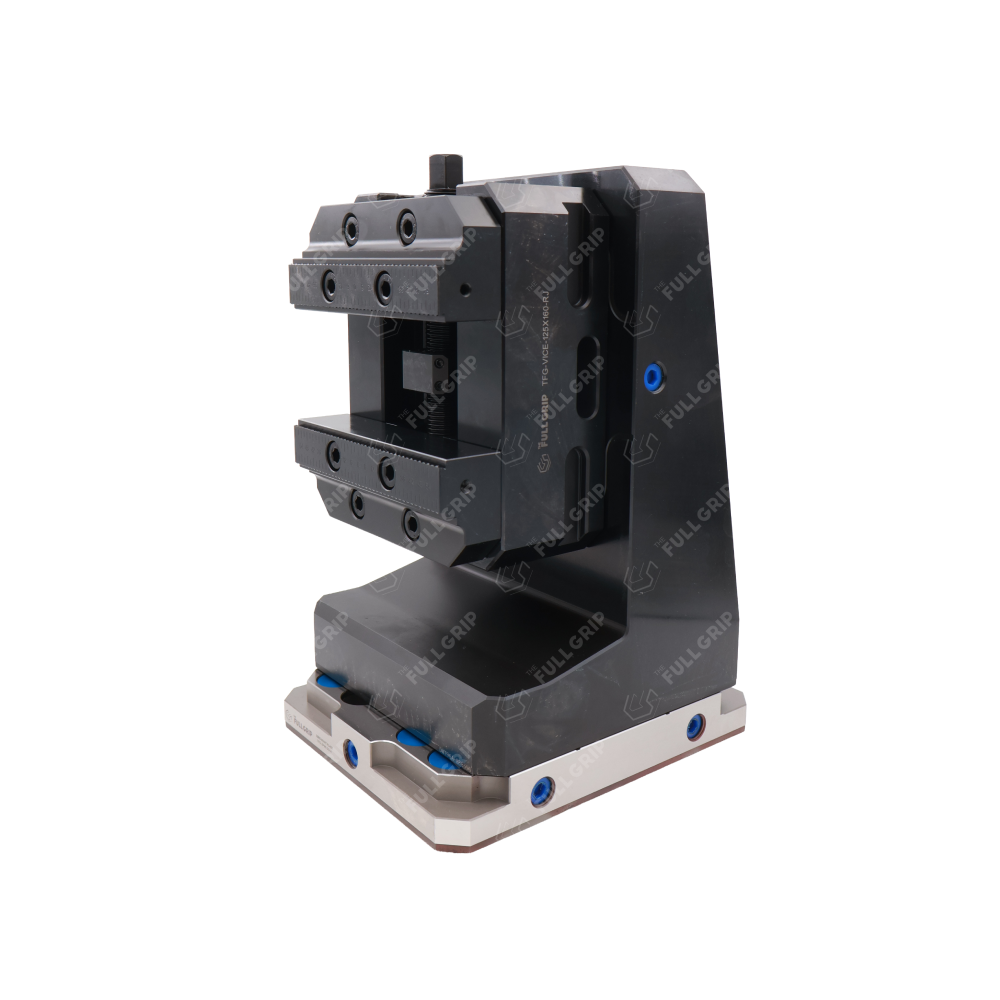
Different Zero Point Plates for Different CNC Axes

Not all CNC machines use zero point systems the same way.

3-Axis CNC Machines

Zero point plates are typically mounted flat on the machine table. Fixtures or vices lock directly onto the plate for fast part changes and repeatable positioning.
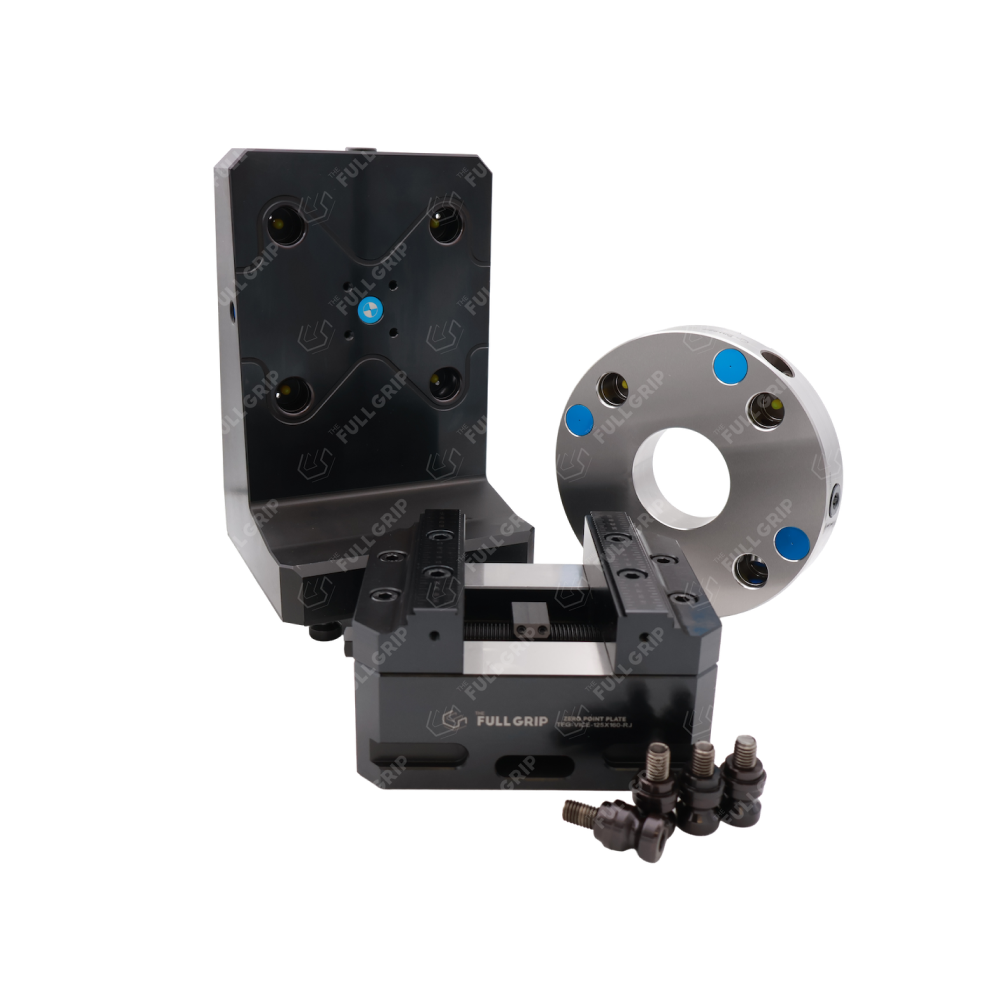
4-Axis CNC Machines

Zero point systems are often integrated with rotary tables. This allows fixtures to be swapped quickly while maintaining alignment with the rotary axis.
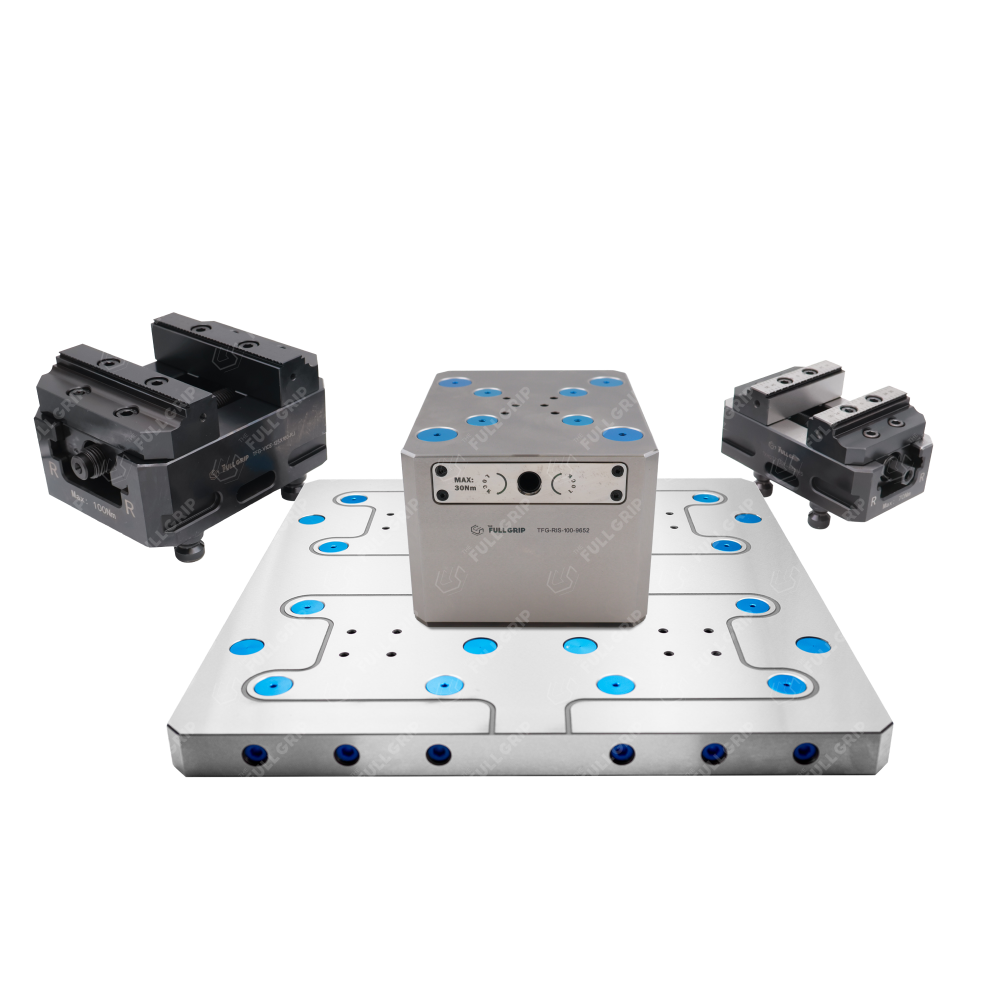
5-Axis CNC Machines

Here, zero point clamping becomes even more powerful. Fixtures can be pre-set offline and mounted onto the machine with confidence, reducing machine downtime and enabling complex multi-face machining.

CNC Machining Workflow with Zero Point Plates

A typical workflow using a zero point clamping system looks like this:

Fixture Preparation Offline

Parts are loaded into fixtures outside the machine while it continues running another job.

Quick Fixture Changeover

The finished fixture is removed, and the next one is dropped into the zero point plate. Lock, done.

Consistent Offsets

Because the position is repeatable, offsets don’t need to be reset for every job.

Continuous Production

The machine spends more time cutting and less time waiting.
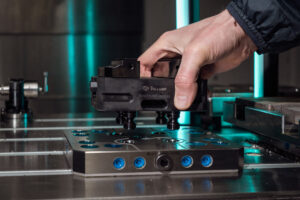
This workflow is where the real gains happen.
Not just faster setups, but a smoother, more predictable production flow.

Why Zero Point Clamping Systems Matter

Zero point systems aren’t just about convenience. They fundamentally change how a shop uses its machines.
When setups become fast and repeatable, small batch jobs become easier to run, changeovers become less disruptive, and productivity increases without adding more machines.
That’s why zero point clamping has become standard in modern CNC machining and why more shops are moving toward modular, repeatable workholding systems.