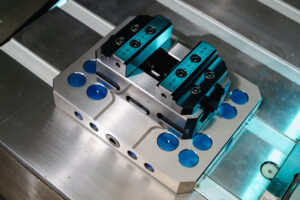
When machinists ask about self-centering vices, the question usually isn’t “What do they do?”
It’s “How accurate are they… really?”
Accuracy in CNC machining isn’t just about hitting a dimension once. It’s about repeatability, consistency, and trusting your setup across multiple operations. This is where a well-designed self-centering vice earns its place on the machine table.
Let’s break it down properly.
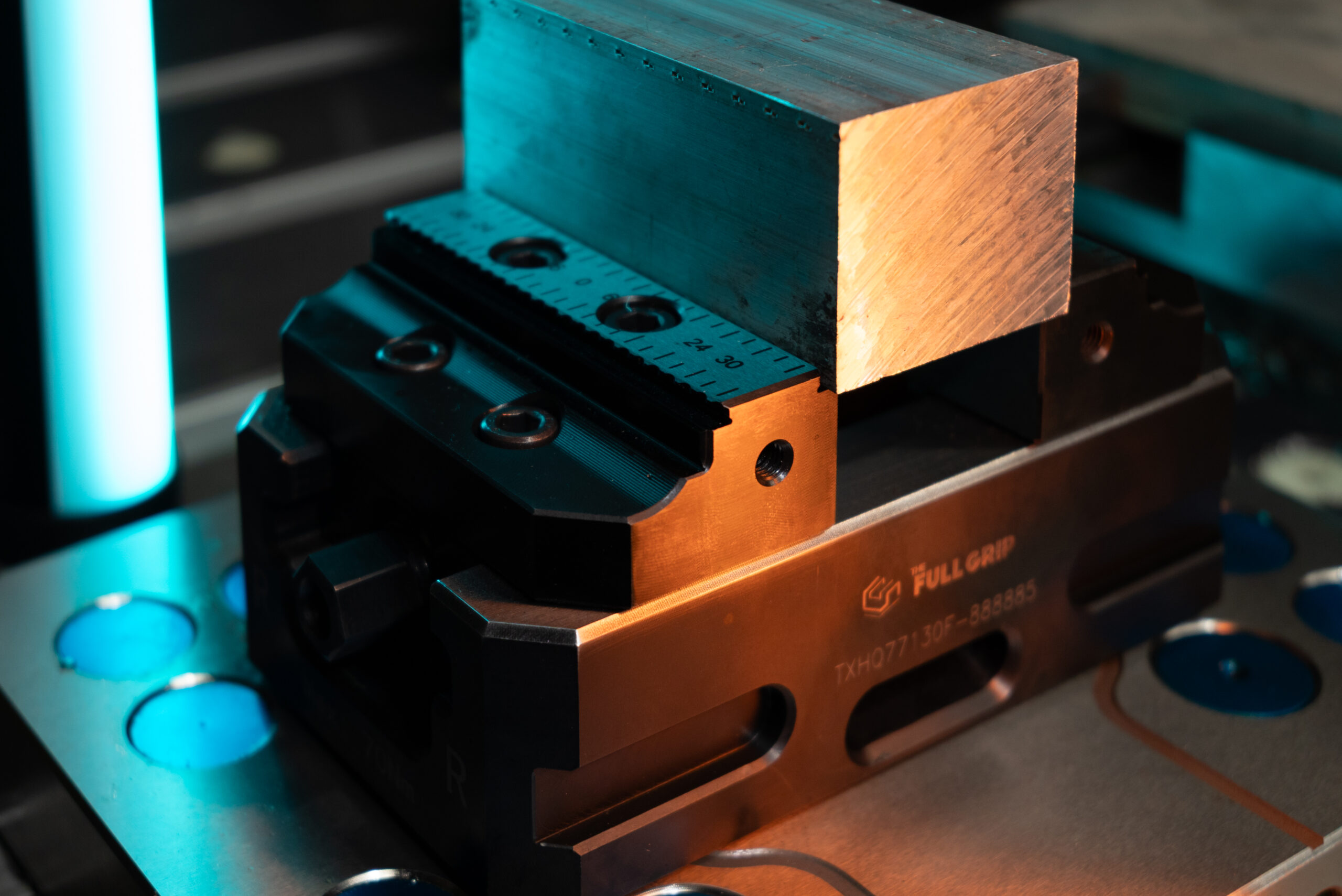
Unlike a traditional machine vice, where one jaw moves and the other stays fixed, a self-centering design ensures the workpiece is automatically aligned on the centreline of the vice every time. No shimming. No nudging. No tapping with a mallet and hoping for the best.
The result is faster setups and far more predictable positioning, especially when you’re running repeat jobs or multiple vices on the same table.
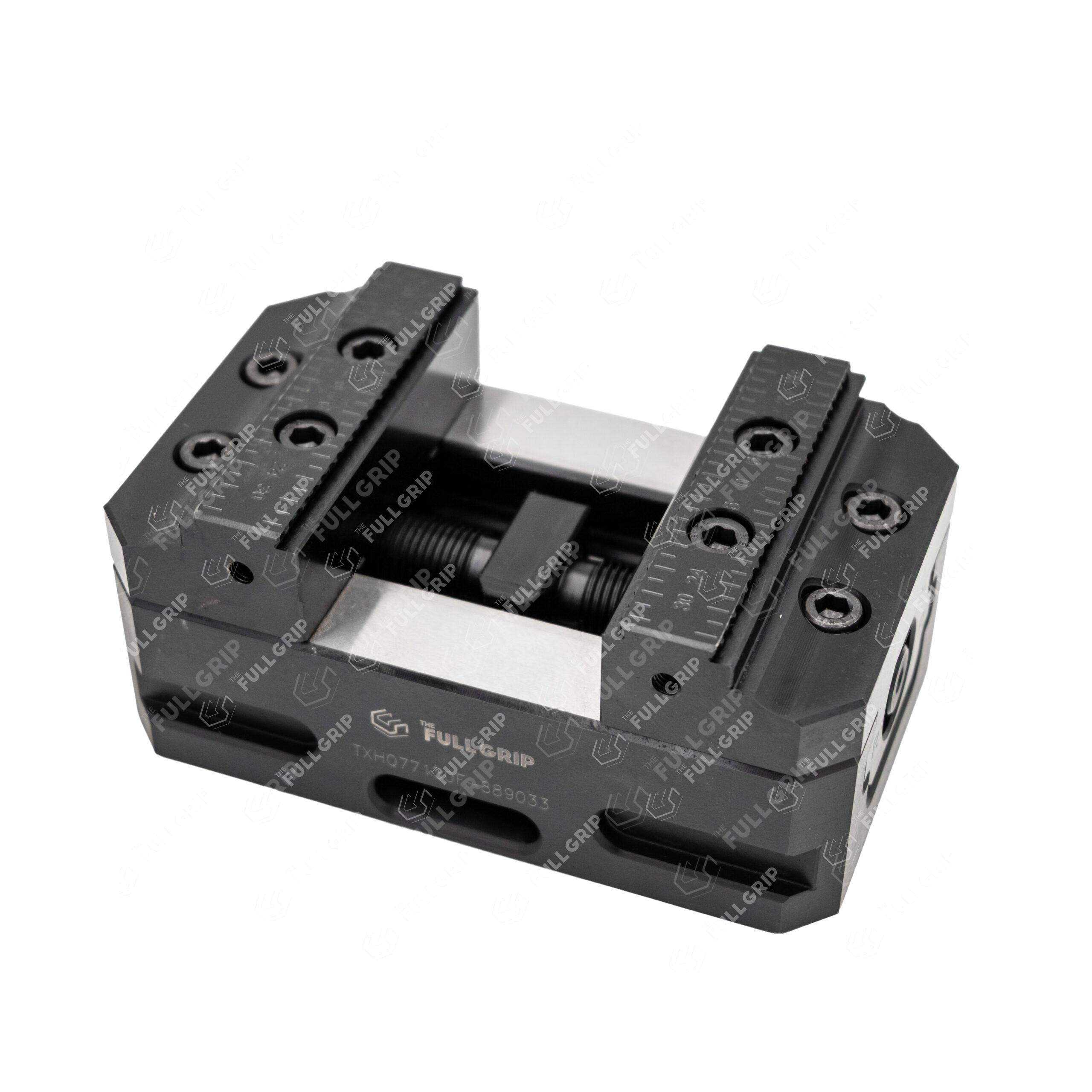
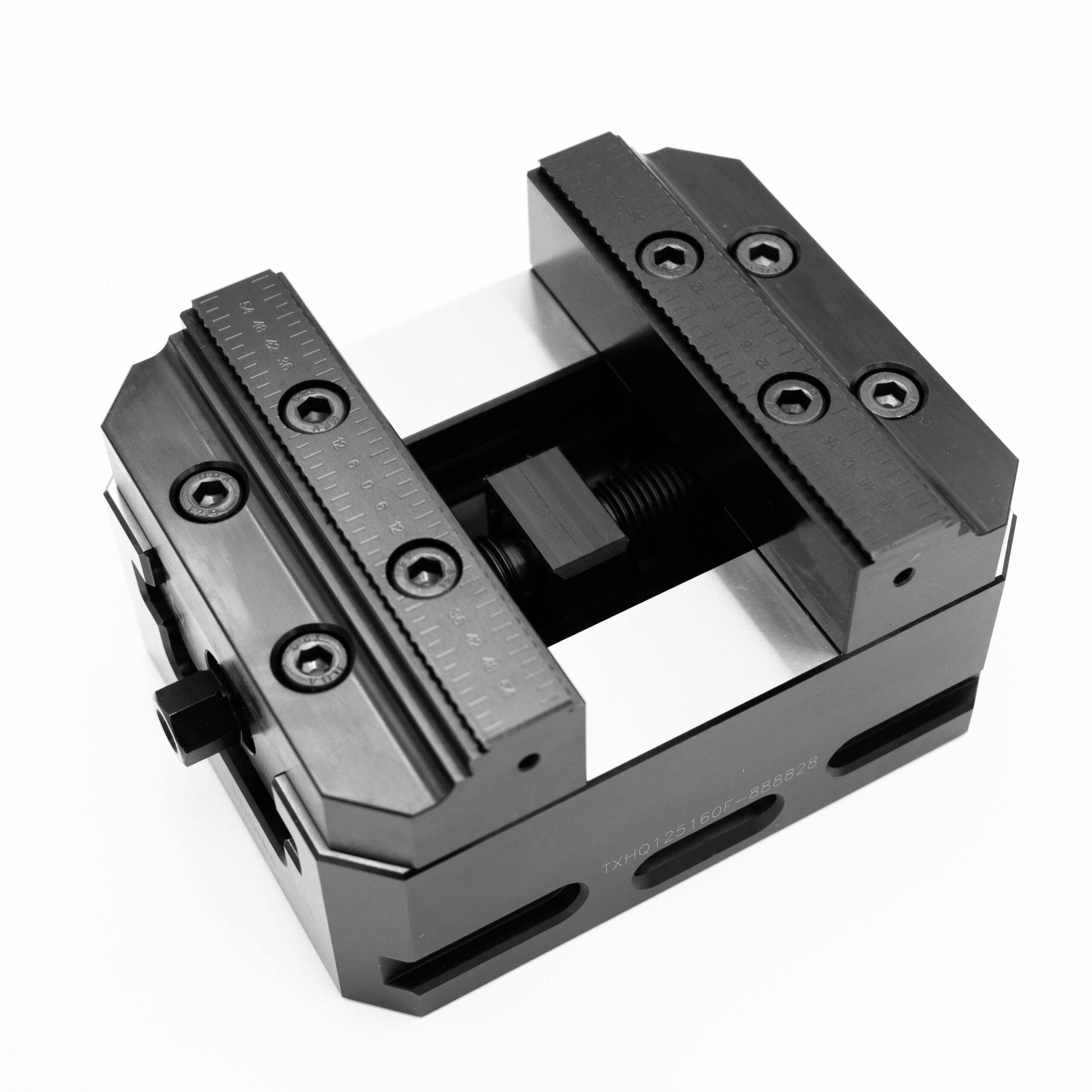
At the heart of a self-centering vice is a synchronised internal mechanism, usually a precision-ground screw or rack system, that drives both jaws evenly.
When you tighten the vice:
Because both jaws travel together, the centre point stays consistent even when you change part sizes.
This mechanical symmetry is the key to accuracy. There’s no sideways force pushing the part out of alignment, which is a common source of error in traditional vices.
Accuracy in self-centering vices is best described through repeatability, not just a single measurement.
A high-quality precision self-centering vice will typically offer:
What that means in practice:
This level of repeatability is especially valuable for CNC machinists running:
Accuracy isn’t just about tight tolerances… it’s about confidence in every setup.
Not all self-centering vices are created equal.
A well-built self-centering machine vice maintains its accuracy over time, even with repeated use. A poorly built one may centre well on day one and drift as wear sets in.
That’s why repeatability figures and build quality matter more than marketing claims.
So, how accurate are self-centering vices?
In a properly engineered system, accuracy and repeatability within ≤ 0.01 mm is not only achievable, it’s expected.
For CNC machinists who care about consistency, speed, and predictable results, a self-centering vice isn’t just a convenience. It’s a foundational tool that makes precision easier, not harder.
And once you’ve run one properly, it’s hard to go back.